Composting
Composting is easy. You don’t need any special knowledge or equipment, and it takes only a little extra effort to collect your wastes and establish an active compost pile. Once you’ve got it going, it just about takes care of itself.
How Composting Works
In nature, organic wastes are broken down through a combination of biological and chemical processes. Biological agents like worms, insects, fungi, bacteria and other micro-organisms “chew up” the materials, which are further transformed by oxidation (exposure to air), reduction and hydrolysis (exposure to water).
Composting Recipe
For successful composting, you need:
The right amount of water and air to keep the biological and chemical processes functioning.
The right temperature. Ever notice how quickly things go ‘bad’ in warm – weather? For the purposes of composting, the warmer it gets, the better. In a cool environment, the composting process slows down. The internal temperature of a compost pile is also important. When the process of decomposition is at its peak, the compost will tend to generate quite a bit of heat. In a sense it’s ‘cooking’.
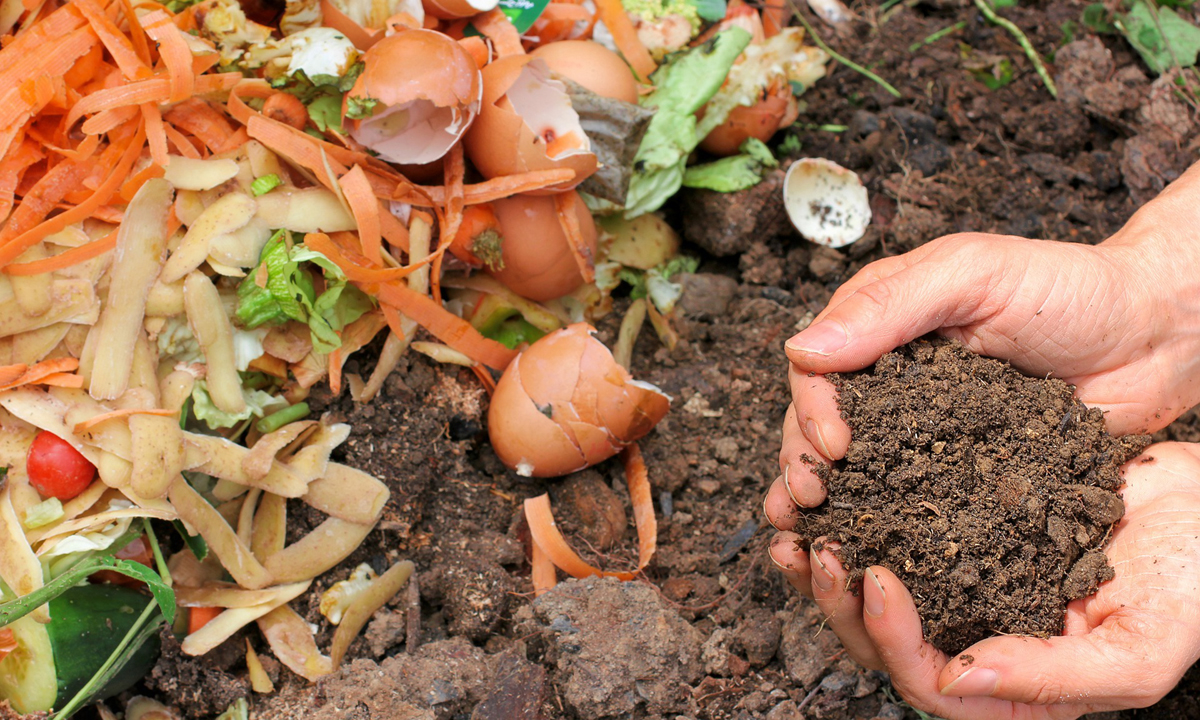
The right C:N ratio. This is the proportion of carbon to nitrogen in your compost unit. This ratio will affect the speed of decomposition. Ideally, your C:N ratio should be thirty to one. Grass clippings, plant trimmings and kitchen scraps are high in nitrogen. Sawdust, straw, wood chips and dry leaves are high in carbon – A mixture of kitchen and yard waste should give you close to the ideal ratio.
The right container, you should use a compost unit. You can build your own or buy one from your local hardware store or garden supply center. Some municipalities offer composters at a special price, to encourage their residents to use them.
Building a Composter
Building your own composter will allow you to design a unit to suit your specific needs. A composter can be made of wood, concrete blocks, wire mesh or almost any material you have available.
The three most essential features in a composter are:
- a lid that protects the pile from rain and snow and allows you to control how much moisture gets in;
- holes or vents to allow air circulation;
- and a means of removing the final product.
Here are some design ideas:
a wire mesh bin with a hinged front panel;
a three-sided cement block bin with an open front that will allow you to turn the pile and remove the finished compost easily;
a circular unit made from chicken wire or snow fencing that can be opened up to collect the finished compost;
a wooden pallet or two-by-four box with a lid and spaces for ventilation a metal barrel or garbage can with holes punched in the side and the bottom removed;
or for more advanced enthusiasts, a unit with several compartments can be used to manage compost at different stages – raw materials, active piles and finished product.
Put your unit in a level, well-drained, accessible area.
If you live in a part of the country that has winter weather, make sure you can get to your composter all year round.
Add other organic materials in layers no deeper than 5 centimeters. Cover each successive layer of organic material with about 5 centimeters of ordinary garden soil. This contains micro-organisms that will accelerate the process: A layer of soil also helps to mask any odors.
Pour water onto the pile until it is about as moist as a wrung out sponge. Turn the pile once a week to mix all the materials evenly and expose them to air. Continue to add material as you go along. Always remember to cover new material with a layer of soil and to keep the pile moist.
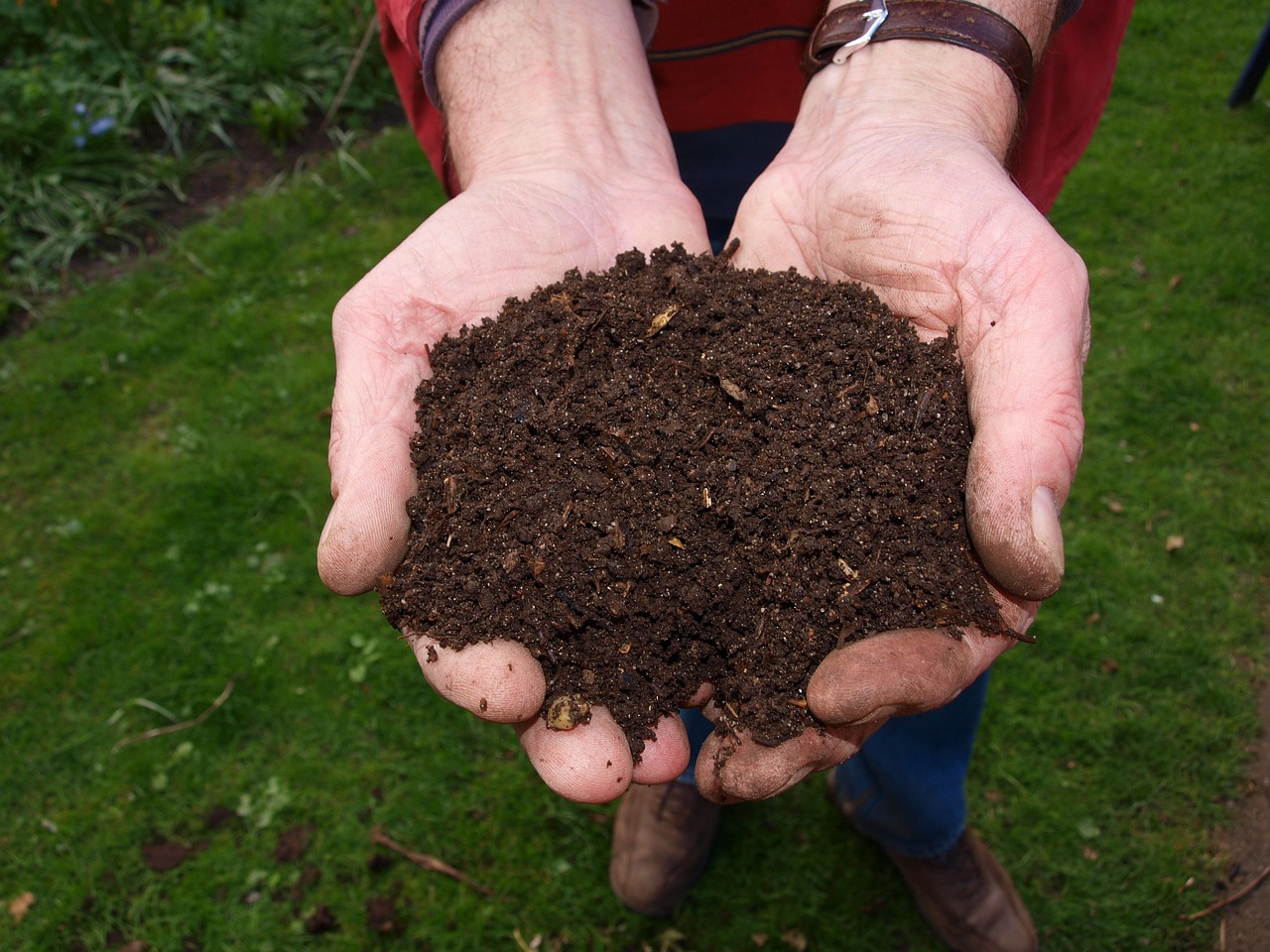
If conditions are right, your compost pile will begin to heat up, eventually reaching an internal temperature of about 60-70 C. The pile will actually feel hot to the touch. As the chemical reactions-slow down, the pile will begin to cool to about 40-45 C. The decomposition process is then complete The finished product will be a dark, rich, soil-like substance with a good earthy smell. (Do you have a commercially built unit? follow the operating instructions.)
How to Get Started
You don’t have to run to the composter every time you peel a potato. Many people keep their kitchen wastes under the sink in a large plastic container with a resealable lid and a handle. When the container is full, they empty it into the compost pile. This reduces the number of trips they have to make. If you have yard waste, find a suitable area to keep the materials until you can add them to the compost pile. When you rake up the dead leaves on your lawn, store them in bags so that you can add them to the compost File at regular intervals rather than all at once in the fall. Place bulky loose materials like twigs, woody
plant cuttings and sticks at the bottom of the bin. This will let air circulate through the pile.
Helpful Hint
Be patient. Different materials will decompose at different rates but they will all break down eventually. If you want to speed things up, use smaller pieces.
Leaves and grass tend to clump together when wet. To avoid this, allow grass clippings and leaves to dry out before putting them in your composter. Adding small amounts at a time and mixing them with dry materials will also help.
It may be easier to use two composters one for new materials and one for ingredients that are already cooking.
In warmer climates, your composter may continue to ‘cook’ (at a slower rate) through the winter, so you can keep adding new materials. In colder climates, keep adding materials. When the temperature rises-in spring, the process will start again.
When you have enough finished compost, mix it into your soil and spread it evenly throughout your garden.
Troubleshooting
Is compost giving-you a rotten time? Try one of these quick fixes:
Problem, Cause, Solution
Pile not heating up, Not enough moisture -or- lack of nitrogen.
Solution: Turn the pile and moisten, Add nitrogen-rich,material like grass, leaves or manure
Compost smells bad, Not enough air or too wet.
Solution: Add nitrogen-rich,material like grass, leaves or manure
Pile is soggy, Too much wet material.
Solution: Turn the pile; Mix in dry materials; Turn to allow air to circulate.
The Author:
For more information about composting, please contact: The Composting Council of Canada.
Copyright © 2000. All rights reserved.