Can Gardening Improve Your Health?
Turn on the television at any time of day and you’ll be bombarded with ads for pills, powders, drinks, and exercise gizmos that promise to help you shed excess pounds. But before you shell out $50 for the “Chub-Buster 5000,” get out your gardening gloves. Better health can be as close as your backyard.
Weed Away Your Weight
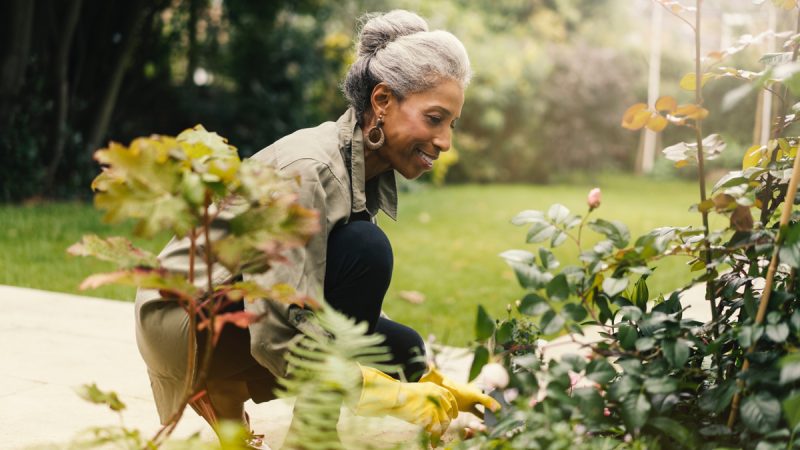
Spring and summer gardening can be a great whole-body workout to shed extra winter weight. Weight-bearing activities such as digging and lifting can build muscle, and aerobic activities such as raking, mowing and hoeing can burn calories. A 180-pound person will use 202 calories during 30 minutes of digging, spading and tilling.* Even 30 minutes of cutting the grass on a riding mower burns 101 calories.
Other calorie burners include* :
- Raking (30 minutes) 162
- Planting trees (30 minutes) 182
- Trimming shrubs, manually (30 minutes) 182
- Laying sod (30 minutes) 202
- Weeding (30 minutes) 182
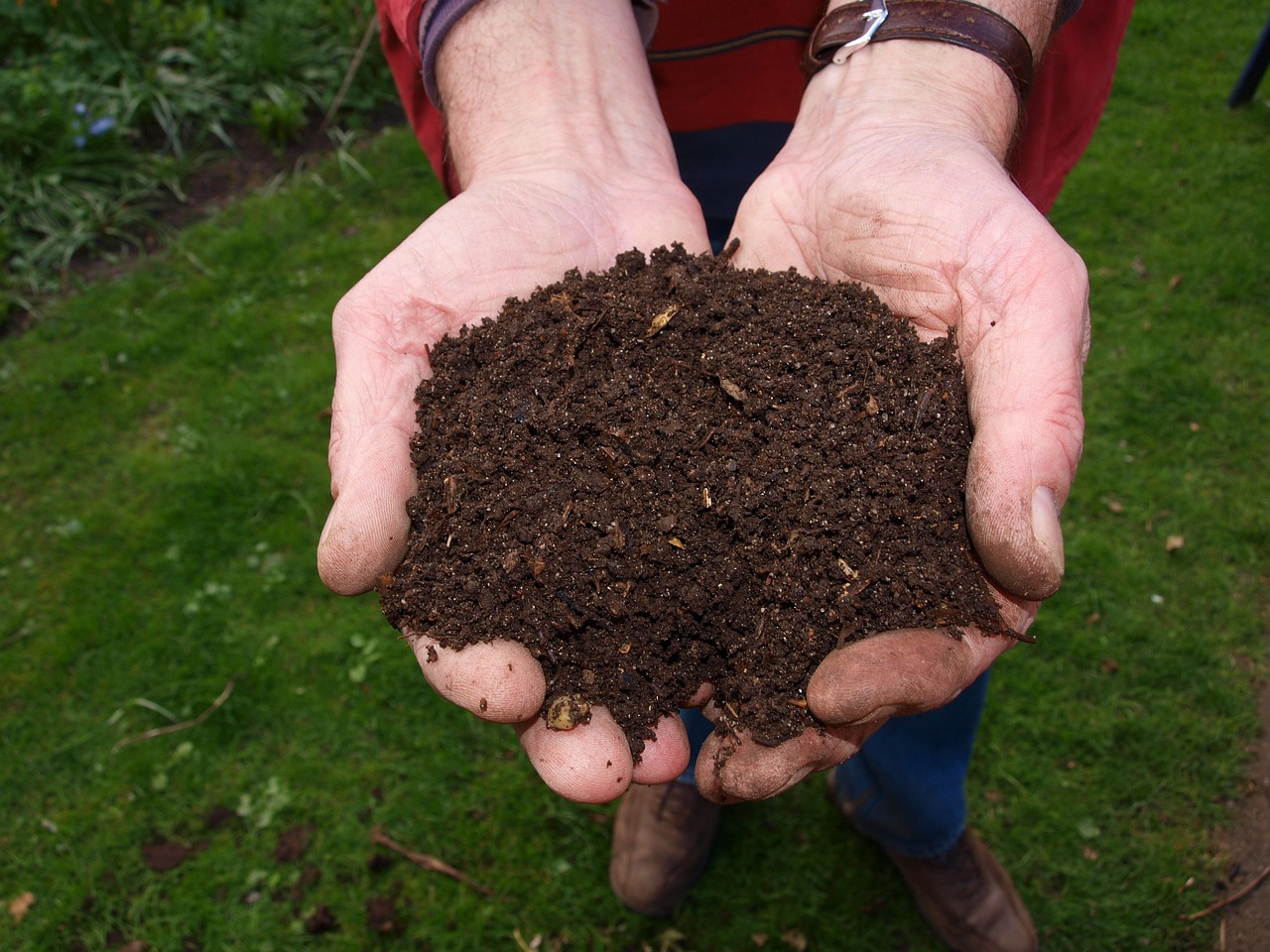
- Turning compost (30 minutes) 250
As with any exercise, it’s important to warm up and stretch before you begin gardening or yard work. Vary your activities to avoid overusing specific muscles. To prevent back injuries, bend from the knees when you rake and hoe or when you lift heavy objects such as bags of potting soil.
You’ll also want to protect yourself from excess sun exposure. Wear a hat and use a sunscreen with an SPF of at least 15. Drink adequate fluids to avoid becoming dehydrated, and retreat to someplace cooler if you feel yourself getting overheated.
Dig for Your Bones
There’s even more good news for green thumbs. According to a 2000 University of Arkansas study that compared many forms of exercise, yard work is most significant for preventing osteoporosis in women age 50 and older. Researchers compared yard work to bicycling, aerobics, dancing and weight training. Yard work and weight training were the only two activities shown to be significant for maintaining healthy bone mass.
The Fruits of Your Labor The best part of gardening may be the edible rewards. A summer’s bounty of fruits and vegetables contains fiber that may reduce your risk for colon cancer, as well as antioxidants and phytochemicals that may reduce your risk for heart disease and some cancers. Fruits and vegetables are also low in fat, which can help with weight loss. The American Dietetic Association recommends that adults get at least three to five servings of vegetables, and two to four servings of fruits each day.
The Author:
Talking About Health With Jennifer Foss, RN
*Source: National Gardening Association