
How to Care for Solid Hardwood Floors Repair and Cleaning Tips
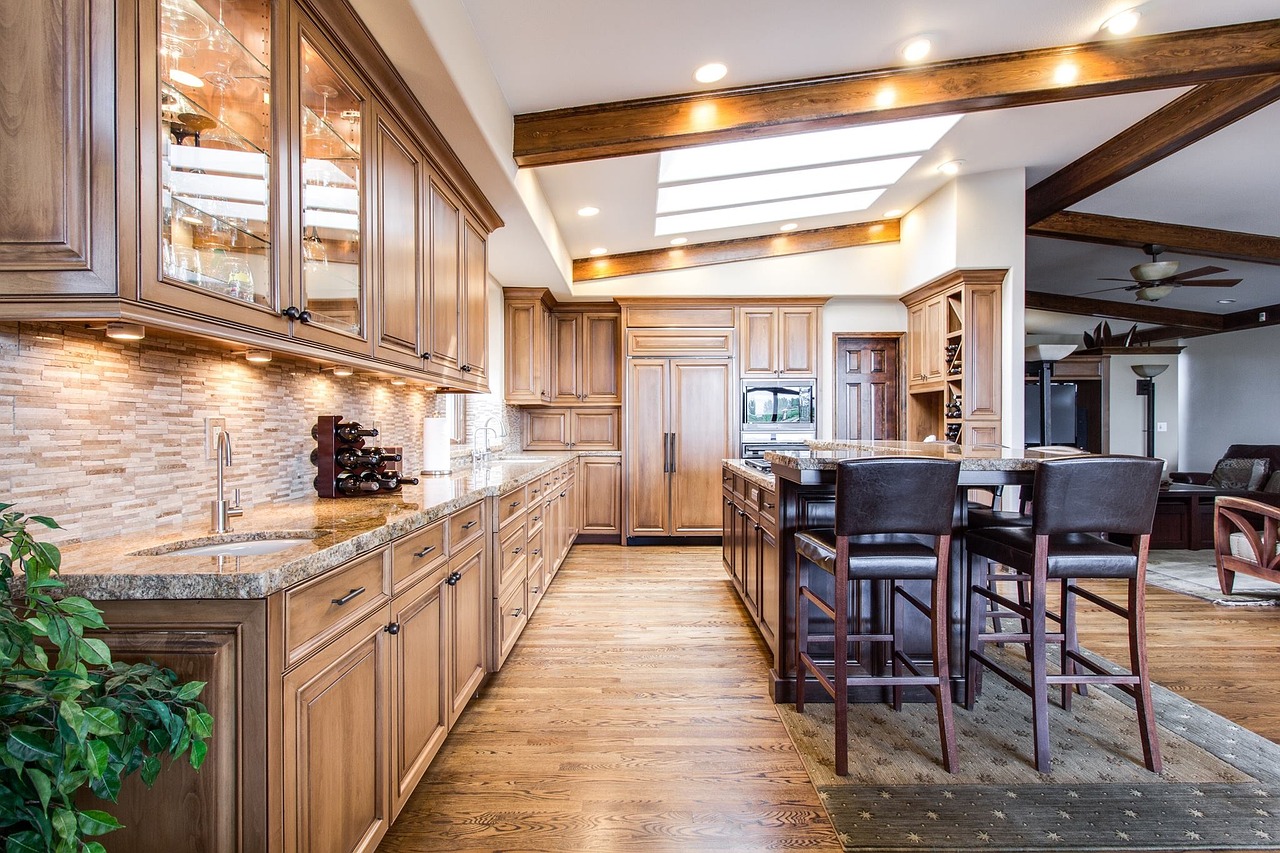
Living with Natural Hardwood Floors
Solid hardwood floors repay a little care with a lifetime of value. When you first glimpse a solid hardwood floor, you sense richness, warmth and natural beauty. Gradually, you get to know its distinct personality — visual harmonies, the traces of history in the forest and in your home.
Take a closer look.
Appreciate the color and pattern of the floor’s strips, planks or parquetry.
Read the grain: Is it bold-textured oak? Subdued maple or cherry?
Check the condition of the underlying wood and the finish that protects it. Are there signs of neglect to erase (it’s not difficult), or do you see a well-tended surface that needs just a light touch to maintain it?
Nature’s diversity lets you create dramatic looks with unique textures, colors, patterns and styles of solid hardwood flooring.
Protect Your Solid Investment
Solid hardwood floors are among the easiest to keep clean. Protect their warmth and character with simple, everyday cleaning techniques.
It’s important to know how to prevent damage to your solid hardwood floors.
Prevention
DIRT and GRIT:
Dirt, grit and sand are your hardwood floor’s worst enemies. They act like sandpaper on the finish, causing scratches, dents and dulling. Place floor mats at entrances to trap dirt and prevent damage.
WATER and OTHER SPILLS:
Standing water can warp a poorly finished hardwood floor and can damage the finish. Simply wipe up all spills as they happen.
HARD CLEANERS:
Avoid oil soaps. They can build up and create problems when it’s time to put a maintenance coat on the floor. Instead, neutral pH cleaners made specifically for wood floors are recommended.
FURNITURE:
Lift the furniture to move it — avoid dragging. Felt contacts under the legs will help prevent scratches.
DENTS:
Vacuum with a brush attachment — don’t use vacuums with beater bars.
SUN:
Direct sun can discolor your hardwood floor. Close curtains and blinds or add sheer drapes to protect from the sun’s intense UV rays.
Regular Care
SWEEP:
Brooms with fine, exploded ends trap dust and grit effectively.
VACUUM:
Canister vacuums with special bare floor attachments are the surest way to get rid of all the dirt and dust.
DUST MOP:
Use a good dust mop — one with a 12- to 18- inch cotton head —- and a special dust mop treatment. Spray the treatment onto the mop head 12 to 24 hours before dust mopping.
Oak and maple are the most popular hardwoods used in flooring. Ash, beech, birch, cherry, hickory and walnut are other favorites for floors and decorative accents.
Does Your New Hardwood Floor Look Old?
Perhaps your hardwood floors were installed just a few years ago, but you haven’t taken care of them and now they look old. What can you do? Before you do anything, check the condition of the finish and the wood to see whether they need special cleaning or more involved repair.
What Condition is Your Floor In?
Follow these steps to evaluate the condition of your hardwood floor and its finish.
Finish Condition:
Has the finish been worn off or is it just dirty? See if the finish is dull, chipped, scraped or gouged. To test if the finish has worn off, begin in a high-traffic area and pour one to two tablespoons of water onto the floor. If the water soaks in immediately and leaves a darkened spot, the finish is worn and water can damage the wood. If the water soaks in after a few minutes and darkens the wood only slightly, the finish is partially worn. If the water beads on top, the surface is properly sealed. Repeat this test in low- and medium-traffic areas.
Wood Condition:
It the finish is worn, the wood may have been damaged. Are there stains, burns, cuts, gouges, holes, cracks or warped boards? If the wood is damaged, repair or replacement may be required before you deep clean your floor or apply a maintenance coat.
What Type of Finish Does Your Floor Have?
The same care and maintenance techniques are used for all finishes in good condition, but when it comes to removing stains or restoring the finish, methods differ. If you don’t know what kind of finish your floor has, ask your contractor or Realtor, or try these simple tests:
Surface Finishes: (pre-finished floors, polyurethane, water-based urethane and catalyzed)
Nearly all floors installed today have surface finishes, mostly polyurethane. They are often glossy and may look like a layer of clear plastic on top of the wood. A small amount of paint remover in an inconspicuous area of the floor will cause the surface finish to bubble (unless it is a water-based urethane, in which case there will be no reaction). Surface finishes shield floors from harm by forming a protective layer on top of the wood.
Penetrating Seals: (acrylics, oils and waxes)
Oils and waxes usually have a satin or matte finish. If you can feel the wood grain when you run your hand across the surface, it’s most likely a penetrating seal. Paint remover will have no effect on a penetrating seal, but wax stripper or ammonia will soften and whiten the surface. Oils and waxes penetrate the surface of the floor protecting the wood from within.
When Your Hardwood Floor Needs Extra Care
Your hardwood floor will eventually need extra care. It’s here that much controversy exists.
Damp Mopping
Some professionals recommend that you damp mop your hardwood floor and others cringe at the suggestion. Just remember, if your floor’s finish is in good shape and mopping is done correctly, the water won’t penetrate even the oil and wax finishes. You’re cleaning the finish, not the wood, so don’t use water if the finish is in poor shape.
Damp Mopping:
This is the fastest and best way to deep-clean solid hardwood floors. Depending on how much use your floor gets, you may have to mop it as often as once a week. Use a neutral pH wood cleaner and water, or manufacturer recommended products. Wet the mop and wring so it’s about half-dry. Wet the floor with the mop. Dip the mop into clean water, wring it as dry as you can and mop over the floor again.
Heavy-Duty Mopping:
If floors are property sealed, the little extra water and cleaner required will not injure your hardwood floor, but use common sense.
Vinegar:
Often prescribed to clean hardwood floors — does nothing for removing grease and soil.
Maintenance Coat
If you can’t restore your solid hardwood floor’s luster with deep cleaning or by simply buffing, you may want to apply a maintenance coat. Waxing is an easy way to restore your hardwood floor’s natural beauty.
Though a controversial treatment for surface finishes, floor polish or wax can give you a good-looking floor in a matter of minutes. If you don’t want to apply a wax to your surface finish, consult a professional.
Pros:
Wax can be easily cleaned, buffed and re-waxed to make it look like its original condition. Wear and tear will be on the wax, not the finish. It is easily stripped and reapplied.
Cons:
Waxing may limit some refinishing and re-coating options down the road. If not properly stripped, the wax can cause adhesion problems when re-coating the surface.
Only wax a surface finish if the original finish is in poor shape and you don’t plan to refinish your floor in the near future.
Removing Stains in Waxed Floors
No matter how careful you are a stain can still occur.
Water Stains:
Rub the spot with No. 2 steel wood and re-wax. For more serious water stains, lightly sand with fine sandpaper, clean the spot with No. 1 or 00 steel wool and mineral spirits or floor cleaner then refinish and wax.
Cigarette Burns:
If not severe, the burn can be removed by rubbing with steel wool moistened with soap and water.
Heel and Caster Marks:
Rub vigorously with fine steel wool and floor cleaner. Wipe dry and polish.
Ink Stains and Other Dark Spots:
Use No. 2 steel wool and floor cleaner to clean the spot and surrounding area. Thoroughly wash the affected area. If the spot remains, sand with fine sandpaper, re-wax and polish. Stubborn stains may require that you replace the affected area.
Chewing Gum and Wax Deposits:
Ice until the deposit is brittle and crumbles off. Pour floor cleaner around the stain so the fluid soaks under and loosens it.
Alcohol Spots:
Rub the spot with liquid or paste wax.
Repairing Wax Finishes:
Rub fine steel wood in a puddle of re-conditioner or paint thinner and clean as you go. Apply wax and buff.
Always start cleaning at the edge of a stain and work toward the center so it won’t spread.
Removing Stains and Repairing Surface Finishes
Use steel wood or sand paper to remove one or two complete layers of finish along the entire length of the board where damage has occurred. Remove all dust. Apply the same type of finish that was removed, being careful not to build additional layers on top of adjoining boards.
Squeaks:
When the air in your home becomes extremely dry, your floor will lose moisture and contract. Conversely, when humidity is high, your floor will absorb moisture and expand slightly. As humidity stabilizes, hardwoods regain their original dimensions. Air conditioning in summer and humidifying in winter will keep your home’s humidity comfortable for you and your floor. Prolonged cycles of shrinking and swelling of your hardwood floor may result in squeaks. They can be easily corrected.
Silencing Squeaks:
Apply liquid wax, powdered soap, talcum powder or powdered graphite between floor boards that are rubbing together. If that doesn’t stop the squeak, drive two-inch finishing nails through pilot holes on both edges of the board then hide the hole with matching color putty or wax.
If you need to refinish or replace your hardwood floor, consult a professional for best results.
The Author:


I agree – it’s important to check and assess the condition of your floor before making any major maintenance jobs on it. It would save time, effort, and budget, and will also prevent the floor from getting any unnecessary maintenance work.
I do not understand this kind of people who makes hardwood floors at home, just because you see how it is hard to repair it. My suggestion would be to make such a kind of floors. Just because it helps to save time, it hasn’t any problems. So think about it
Floor maintenance is little difficult. Polishing to an extent make it more beautiful. It always have different look from all other sort of flooring. Different type of decorative concrete coating are available.
I had wooden floors put 1 yr ago. I notice a black spot, when I returned from my trip, it shows to be spreading. What can I do to repair this before it causes more damage?
If you have a black spot on your wooden floor that seems to be spreading, it could be a sign of water damage, mold, or fungal growth. To repair this problem before it causes more damage, you should follow these steps:
1. Identify the source of the moisture: The first step in repairing a black spot on your wooden floor is to identify the source of the moisture. It could be anything from a leaky pipe to high humidity levels in your home.
2. Dry the affected area: Once you have identified the source of the moisture, you need to dry the affected area. Use a towel or a fan to dry the area thoroughly.
3. Treat the affected area with vinegar: Vinegar is an effective natural cleaner that can kill mold, fungi and bacteria. Mix equal amounts of water and vinegar in a spray bottle and spray the affected area. Let the mixture sit for 10-15 minutes, then wipe the area clean with a damp cloth.
4. Sand and refinish the area: If the black spot has caused significant damage to the wood, you may need to sand and refinish the area. Sand the affected area with fine-grit sandpaper, then apply a coat of stain and finish to match the rest of the floor.
5. Prevent future moisture damage: To prevent future moisture damage, make sure your home is well-ventilated and maintain a consistent temperature. Fix any leaks or water issues promptly, and use a dehumidifier if necessary.
By following these steps, you can repair a black spot on your wooden floor and prevent further damage.
Caring for and maintaining a bathroom floor should not be a tedious work, it can be simple and basic as spot cleaning weekly and doing a major scrub two or three times a year. One does need to make sure that the bathroom floor is free of standing water to protect it from rot and wraps. Keeping rugs and a steamer on hand can really protect the integrity of the floor.
I have hardwood floors throughout my home and I love it! Every 2 or 3 days I dry mop, and every week or so, I use a damp, not wet mop to clean and maintain my floors. It gets tiresome and tedious, but I use this as a form of exercise 🙂 If you want to maintain beautiful hardwood floors, you HAVE to take care of them properly. This is a good article listing good tips.
I really like the natural feel of wood floors. We’re thinking of putting them through most of our new house, but we might not be able to afford it. Sure they’re nice, but they’re a bit more expensive than carpet. Plus, we like a nice landing if we fall. We’ll see what we can compromise on to get the quality we’re looking for.
How do I maintain my hardwood flooring?
Why are there so many ( too many) conflicting opinions on 1) vinegar 2) waxing surface floors and 3) water.
I’ve spent several hours on the computer trying to find a simple answer: How do I make my surface floors shiny again.
Some say vinegar will clean, others say it will dull. Even Martha Stewart herself bellyflopped on this one.
If the floor is old school wood wax, if it’s new (past 20 years) then leave them alone – dust mop only.
Seriously? What if they’re dull like mine are now.
Can you please tell me how to get the shine back?
Thank you
There are so many conflicting opinions because floor finishes vary greatly. You should floor may not have a glossy finish—I would contact a flooring professional in your area and ask them their recommendation
we have a dark hardwood floor, the problem is that
After mopping it shows up white patches.
Any ideas??
It’s mould I had the same think you need to sand them down and wax them
I have the same questions and concerns and have also done much on line research –new home to me- 15 yrs old- lots of wood floors– dark hardwood– through out open concept layout ( yes thru the kitchen too)
I’m not sure but I’ve pretty much decided that my floors have been sealed with something that is more of a matte finish rather than a glossy, and someone else told me glossy finish is out ( old school)
All I know is I don’t want to be a slave to a waxing routine if it’s not suitable or needed for my sealed hardwood floors, even tho I miss having a shiny floor- but I haven’t been able to find definitive information nor multiple sources w like information
I have Birchwood floors and they have a film coating what is the best way to get it off.I have been using Bruce wood cleaner I just had it done the June never put wajoycex on it.I have a dog so I don’t want rugs please help me
Squeaky, old, beautiful wooden floors are a delight to me. Perhaps it’s because I grew up in a house almost 200 years old with original wooden floors that squeaked if a leaf fell on them.
Another than character plus, you always know where everybody is at all times and no sneaking in late for anybody.
These seem like some pretty good tips to take care of your hardwood floors. I wish that I knew a few of these tips sooner. My old hardwood floor is practically destroyed, so I have to install a new wooden floor. I didn’t realize that dirt and grit can cause serious damage to your floors. That would be one reason why my floors aren’t in tip top shape anymore. I also use water to clean my wood floors, so I suppose I should find a wood floor cleaning solution once I get my new floor installed. Thanks for the tips!
Great tips. I’ve always resorted to vacuum cleaning when it comes to hard wood flooring but some areas on our floor especially with high foot traffic look older than the rest. I don’t have any choice but to refurbish it.
I’ll bet those floors make for a great time sliding around in socks! Looks great!
I didn’t know the type of wood would change how you could treat it. I thought you just needed to know the glaze type. Also, it says water will warp a poorly finished floor. Does that mean if the floor is properly finished, you don’t need to worry as much about the water?
I didn’t even think about my vacuum doing damage to the floors, I’m going to check what kind I have. I think I’ll try to sweep the hardwood floors most of the time. I’ve had carpet in my house for so long, that I don’t even remember how to properly care for the flooring.
Cigarette burns in the hardwood floor? Either you are a messy person, or you have some disrespectful people that should be made to pay for the damage they have caused. I would never let that person back into my home again.
There’s a lot that goes into keeping a hardwood floor beautiful. As mentioned, regular care is important. Sweeping regularly is very important. It’s also important to avoid using furniture with sharp or rough legs. This is a lot of really good advice. Thanks for sharing!
That man has the ugliest toes I’ve ever seen! Wish me luck… start tomorrow ripping out carpet and matching existing maple floors.
I know from experience that microfibre cloths are the best for cleaning wooden flooring. Cotton once work fine as well. It was useful information not to use oil soaps but pH neutral instead. I didn’t know that and thank you for the information.
I have found that the best way to get dirt and dust off of my wooden floors is to first sweep and then vacuum. This ensures that I get the big pieces off of my floor, however, going over the floor again with a vacuum ensures that the small dust particles are cleaned off of the floor as well. Thus, I definitely agree with your insight that vacuuming is the surest way to get rid of all the dirt and dust. This makes mopping the floor go much faster and be a lot more effective. Thanks for sharing all of these tips on how to get your wood floors clean!
I really like the natural feel of wood floors. We’re thinking of putting them through most of our new house, but we might not be able to afford it. Sure they’re nice, but they’re a bit more expensive than carpet. Plus, we like a nice landing if we fall. We’ll see what we can compromise on to get the quality we’re looking for.
Be sure to look into cleaning solutions if you installed hardwood flooring on top of existing laminate or linoleum flooring. Some of them can actually compromise the adhesive that holds the wood to the laminate floor, so be sure to use a mild cleaning solution. We advise our clients of this when they choose to have their hardwood flooring installation done on top of laminate in their home.
I have American ash floors in a high traffic area. More than 10 years. I oiled the floor when new and only now is it time to do a deep clean. The answer is an irobot vacuum that is programmed to run 3 times a week. But most important, it is normal here in Norway to remove shoes when entering a house. Good practice – protects all floors. Still in special occasions the ladies still have on high heals. But the floor tolerates with ease. Highly recommend the investment of solid wood floors.
The solid hardwood floor that my father helped me install has me wanting to refinish it. I say that because of the floors that would still need to be finished up. What type of tools would be needed to do this project?
Do different types of wood require different types of finishes? Our wood flooring really needs some polishing but I wasn’t aware that mopping could actually cause further damage. After the job is done, is damp mopping the best process to keep it clean? I would like to make it last as long as possible.
I cannot emphasize enough about using hydrogen peroxide or any chemical while cleaning hardwood floors, you might end up with a worse reaction than what was there before, please always consult.
I am going to get some new hardwood floors and want to make sure they are taken care of this time around. I think waxing sounds like my best way to protect the finish. However, you mention that wax needs to be stripped before being reapplied. I imagine that the wax strippers are not powerful to damage the wood finish, right?
child used baby wipes, helpfully, on our unfinished oak floor…now there are white/light patches. Any tips or ideas as to how to repair them? We use Magic Oil every two weeks to protect the floor…Any help will be welcome!
Thank you for talking about how hardwood can be damaged by the sun. I can see that making sure your floors are taken cared of is not an easy job. It makes sense that sometimes you would need professional help to help it look great. It is important to do your homework when looking for the best company to help you make sure you get the most out of your items.
I appreciate your advice to use a canister vacuum, I wonder what specific products should be used in order to clean wood flooring? I’ll be sure to be careful about what I use when I clean wood flooring
I didn’t know that dirt and grit were so damaging to hardwood. I guess it makes sense since the coarseness of the particulars can wear on the wood. I sweep my non-hardwood floors everyday so I’d have a good pattern set if I wanted to upgrade.
I have dark real hardwood floors. I also have a dog. The floor always looks dull and smeary. Any suggestions. I feel like I would like to wash it. I know I shouldn’t.
I appreciate you providing some basic tips on how to take care of your hardwood floors such as regularly sweeping and vacuuming them. Regularly sweeping your floors with a broom and vacuuming every now and then would surely clear away the dust and dirt that may have accumulated over time. Also, mopping your hardwood floor would maintain its shiny appearance. It’s best to use the recommended cleaner, though, to prevent your floor from looking dull. I would make sure to keep this in mind every time I do my regular household cleaning. Thanks.
My home’s hardwood floors look like they look faded since they are full of scratches that my cat has been doing since she tends to scratch the floor whenever she’s begging for food. I think I’ll hire someone to repair them for me so the floors will come back to their old condition. Thanks for reminding me that I have to check the condition of the finish that they have so I’ll know what kind of repair should be done to it.
Now that I’m installing hardwood flooring in my living room these tips come in so handy. A lot of this information, I was totally unaware of. Super helpful.