Rustic Home Decorating Elements
Rustic decorating is a style that connects a space with the primal world of nature. It uses elements from that world, colors, materials, even the style of design, to create spaces which are a sharp contrast to the plastic molded cookie cutter modern world. This can create rooms with character and personality which stand out in peoples minds.
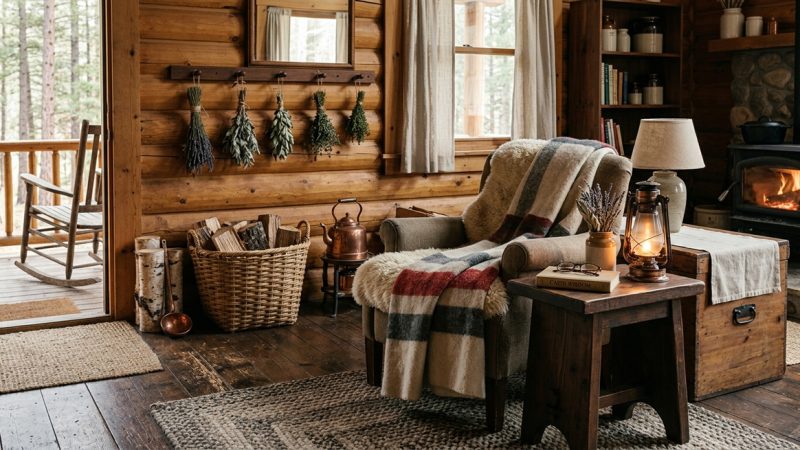
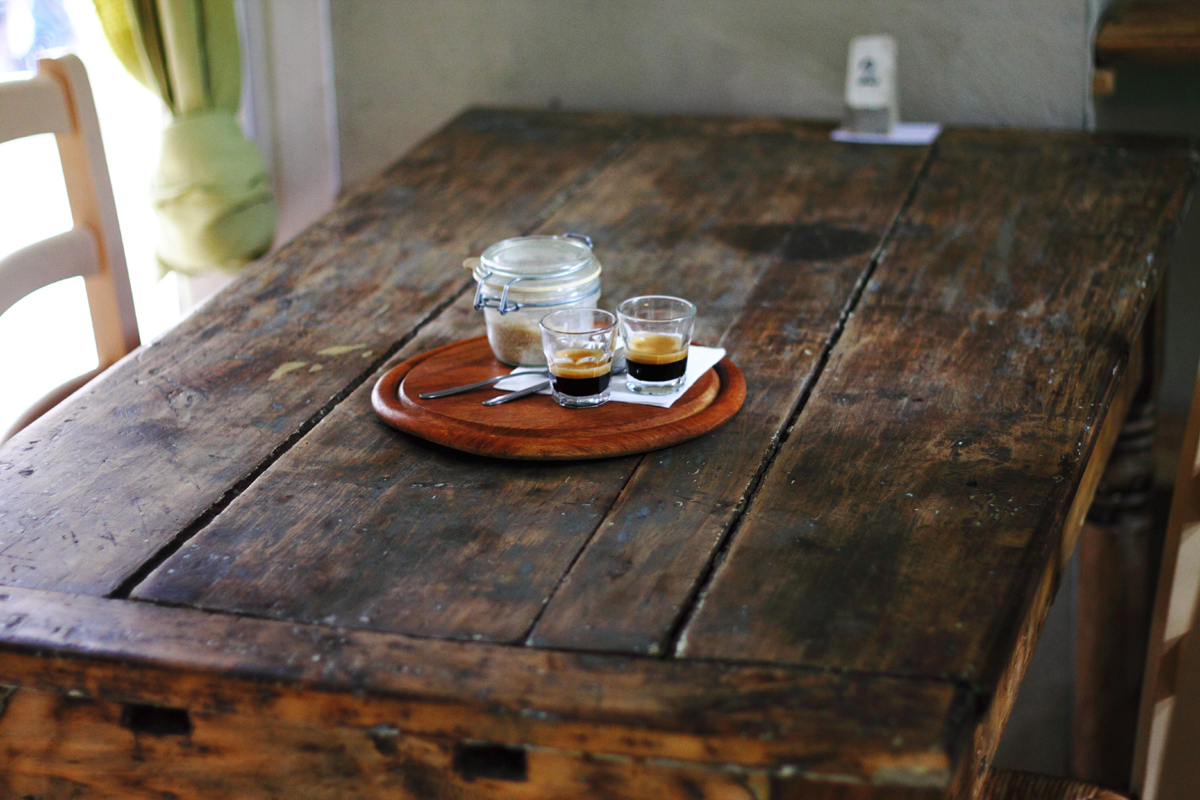
The most basic elements of a rustic interior are natural materials. Various hardwoods are very prominent in these spaces, and many homes will choose to leave structural wooden beams showing as part of the design. Wood paneling is also a popular and inexpensive way to give a room a warm, cozy, forest like feeling.
Hardwood furnishings will also be prominent in these spaces. Almost every type of furnishing is available in a variety of wood types and finishes, with some such as raw log designs looking more rustic than others. There are also decorative statues and art pieces which can be purchased in hardwood. However make sure that you contrast all of these brown tones with accent colors throughout the space.
Natural stone is another common element you will find in rustic interiors. In some spaces such as kitchens and bathrooms, slate borders or backsplashes can be used to create a multi colored display across the walls. You will also often find slate or tile coffee tables, clocks, lamps, and a variety of other decorative accent pieces. Tile is also a common rustic flooring option.
Wrought iron, while not a natural material, is an ancient one that humans have been using for thousands of years. You will often find this material used in decorative wall hangings or tiny statues, but you can also find tables, benches, and even chairs crafted from wrought iron.
The colors used in a rustic setting will mimic the natural materials used. This will generally consist of predominantly earth tone brown hues, with a mix of grays and soft green colors. In some cases red accents can be used throughout. All you need to do to find a rustic decorating color guide is to look out your window.
One of the most important elements of rustic decorating is texture. Every surface can have a rich, lustrous feel beneath your finger tips. All of the major natural elements, wood, stone, and iron, have distinct textures, and these can lend a sense of complexity to the space which goes beyond just visual cues.
As you begin decorating a space with a rustic style try not to get overwhelmed. Move one or two furnishings into the space slowly and see how they look. Sometimes just a single accent point crafted with raw log wood or natural stone can dominate an entire room and give it the desired primal feel.
The rustic style is in many ways a rejection of the modern plastic molded world. It claims that there is beauty in the random patterns of nature and the intricate subtleties of human craft. In this way it connects a space with the world outside the door, giving it a sense of energy and vigor.
The Author:
This article is sponsored by PebbleZ – makers of natural, rustic home furnishings crafted from real, mountain born stone materials. The author of the piece is stone artist Joey Pebble.