
Planning Your Edible Landscape
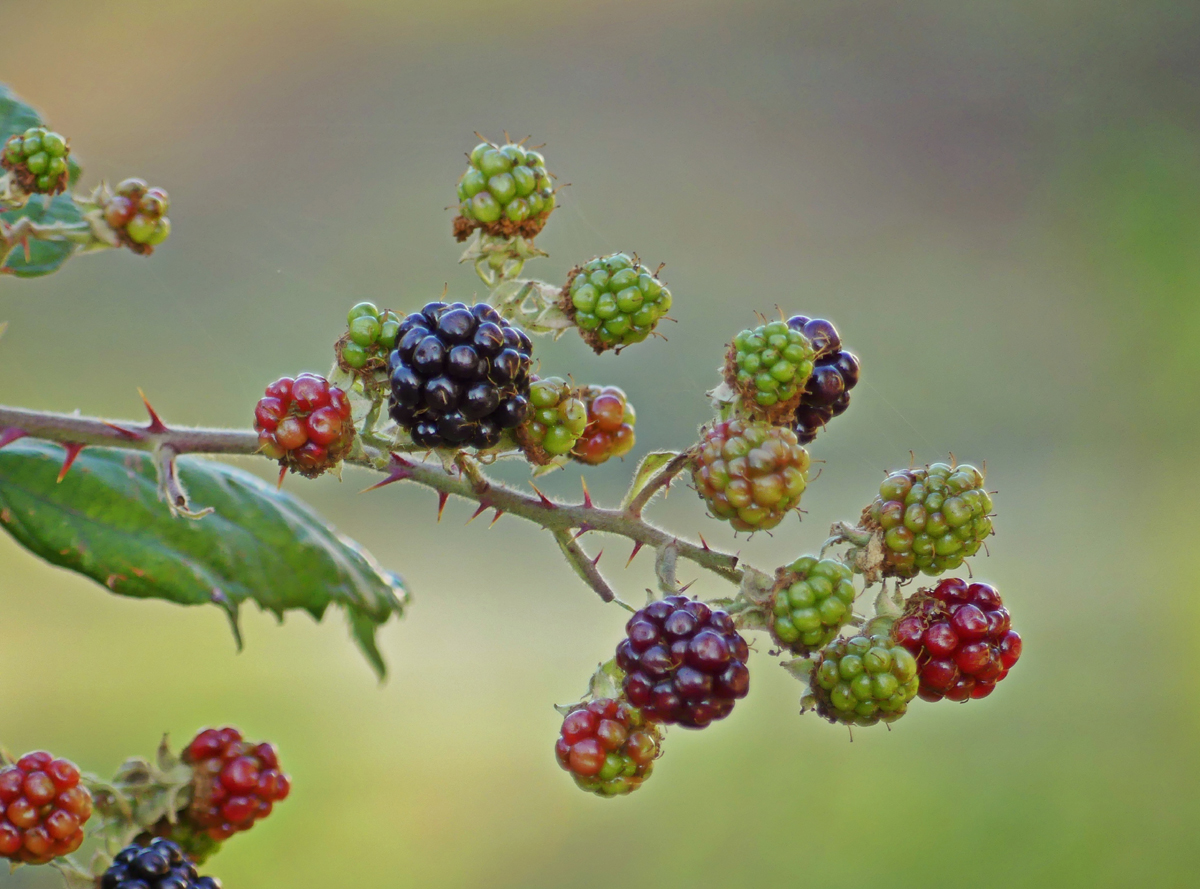
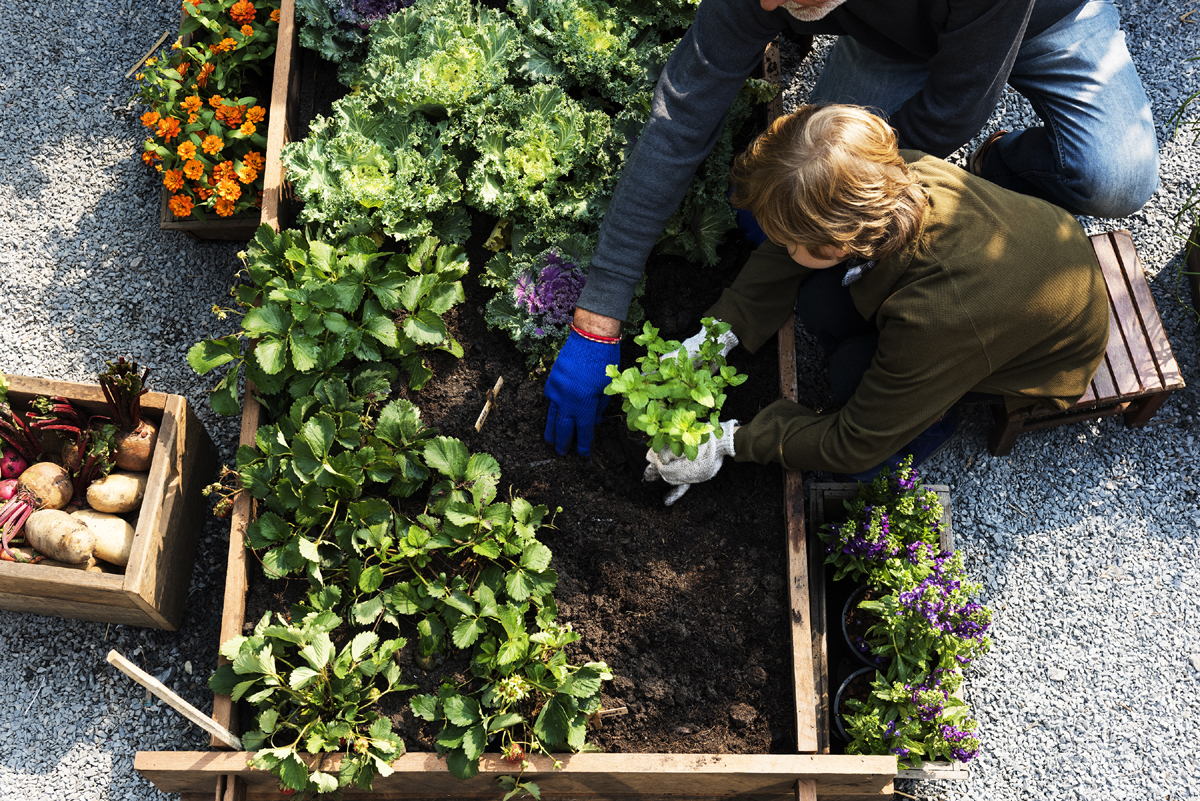
Edible landscaping is the process of planting edible plants in a landscape, rather than in a traditional garden. There are two major benefits to edible landscaping. First of all, edible landscapes save space, because they combine landscaping and food-growing into a single space.
Secondly, they turn a standard landscape into more than just aesthetics, but into a useful method of growing some of your own food. Edible landscapes do not have to be 100% edible. You can design your edible landscape around any percentage of edible plants you wish.
You might want to make your landscape 100% edible, or you might only include a single fruit tree. Edible landscaping has actually been around for a very long time. Some of the earliest edible landscapes were found in ancient Persia and in gardens in medieval times.
In some areas of the world, most people plant mostly edible varieties. Some people see no point in planting anything that is not edible, seeing everything else as a waste of valuable food-growing space.
An important part of planning your edible landscape is to know what conditions each variety needs. Some plants will need a lot of sun while some plants require more shade. You need to be sure the soil conditions are suitable.
Be sure to check each and every variety so you know its soil and sunlight requirements, and the nutrient and pH balance needed. Begin planning your landscape on paper.
Mark off where you want to place certain plants, and be sure that these areas are conducive to the varieties you wish to locate there. Use fruit trees in place of shade trees. You can plant hazelnuts and currants wherever you might place a deciduous shrub. You can use herbs in place of low-lying shrubs and ground cover.
Ornamental plants often need very little care. Edible plants do need a little bit more attention than other plants if you want them to produce a good yield. You might have to water them more often or fertilize them.
The fact that insects tend to target edible plants much more often means you will probably have to work a bit harder to control pests than you would for strictly ornamental plants. However, the food yield definitely makes it worth a bit of additional effort.
→ Yum! Tasty Edible Flowers You Can Grow Yourself
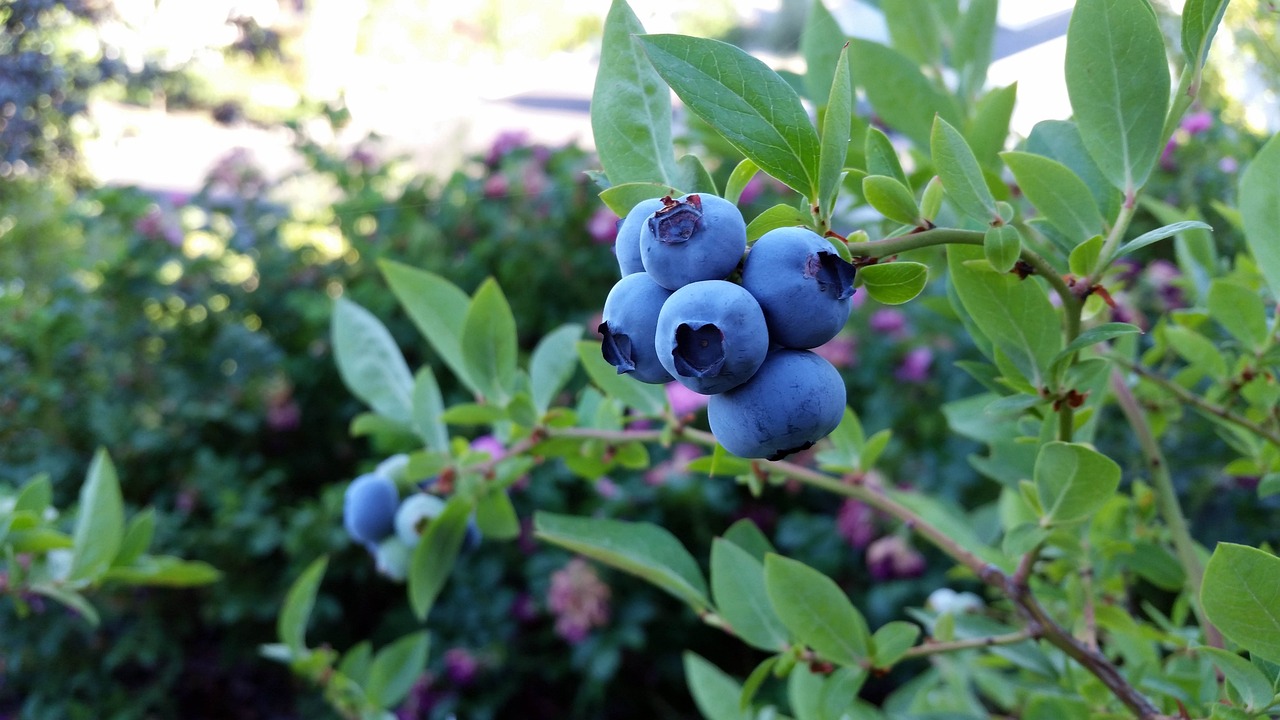
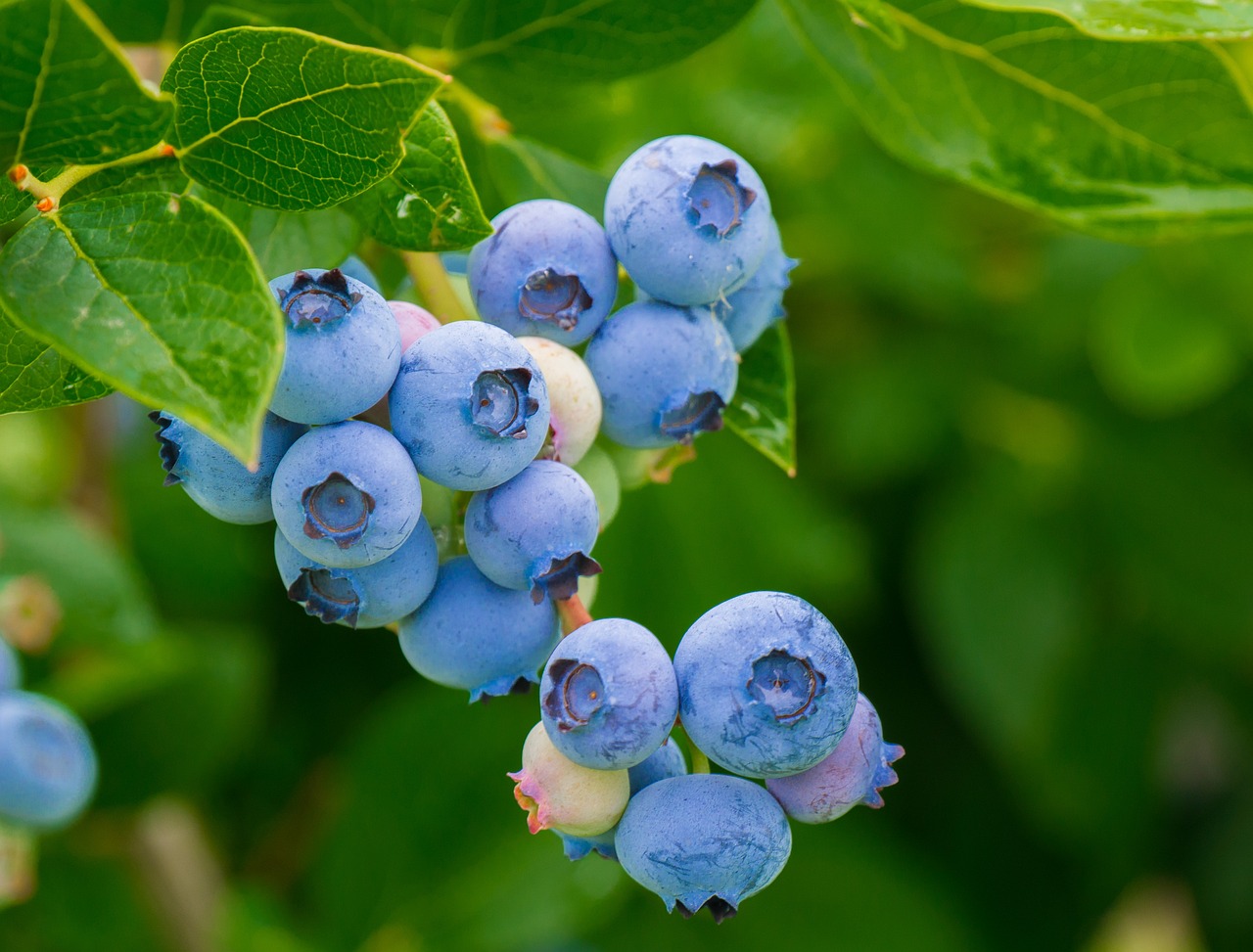
One of the most important types of edible plants to add to a landscape is fruit trees or bushes. Fruit trees make excellent shade tree replacements. And berry bushes can be extremely attractive in place of typical shrubs. Blueberry bushes can be quite lovely in front of a home, for example. And apple trees can grow into delightful shade trees!
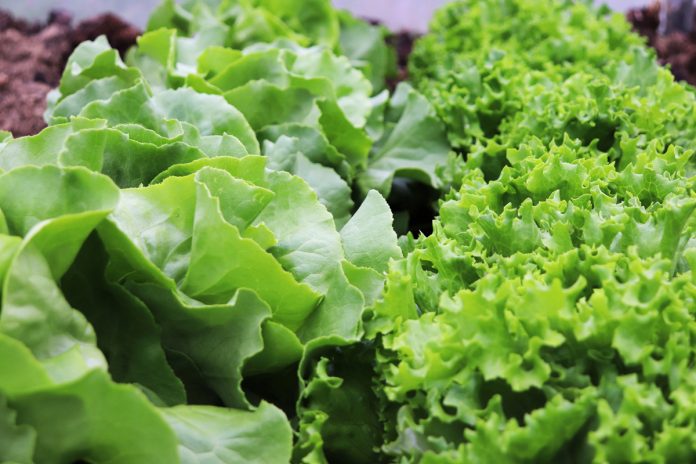
Instead of planting flowerbeds, you can plant beds of lettuce, herbs, or greens. Many types of mint have lovely blooms. Lettuce and other greens can come in all types of colors. You can get ornamental cabbages and kale in a wide variety of colors, adding a splash of color to any area. Peppers and tomatoes are colorful additions, as well.
Grape arbors are a spectacular addition to a landscape. Grape arbors have been used for many years as a beautiful enhancement to lawns, and the fruit is a wonderful bonus. Remember, many types of flowers are also edible.
Nasturtiums, violas, day lilies, calendula, and borage are all edible, and make wonderful additions to salads and decorations for cakes. So you can still plant some flowers, even if you want to stay 100% edible!
The Author:
Paul Hata

These are some fantastic tips! I have always wanted a garden but I really want to eat from my garden if I’m going to go to the trouble of tending to it. I love the look of purely aesthetic gardens but I don’t think I have the time to tend to a garden like that! I’m glad that you went over how to create the proper landscape of edible plants. This was a very helpful article, thank you for sharing! http://jklandscape.com/
Thank you for your comment! I completely agree with you – having an edible garden is not only rewarding but also a practical use of your time and effort. It’s great that you found the tips in the article helpful in creating the right landscape for edible plants. By planning your garden well, you can enjoy the beauty of the plants and also reap the benefits of harvesting fresh produce. Best of luck with your garden, and happy growing and eating!